February 20, 2026
Raising healthy chickens starts with the food they consume. Whether you are a backyard poultry enthusiast or a commercial farmer, understanding the importance of high-quality feed is essential. Chickens are more than just egg-layers or meat producers — they are living animals that require balanced nutrition to thrive. Providing the right diet impacts everything from growth and egg production to immune function and overall well-being.
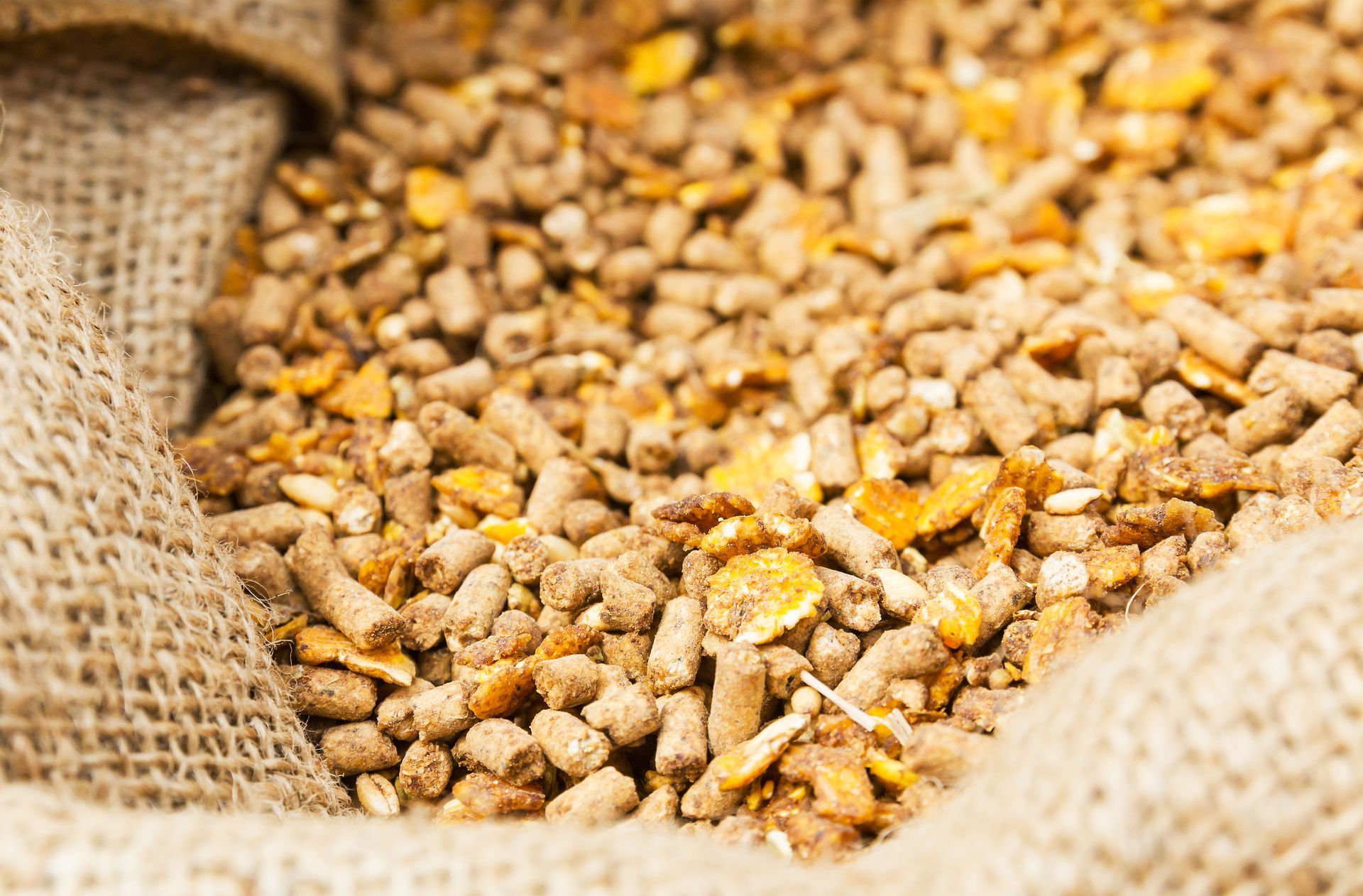
High-quality animal feed ensures chickens get the right balance of nutrients, vitamins, and minerals. While it may be tempting to feed leftovers or cheaper alternatives, doing so can compromise their health and productivity. In this article, we’ll explore seven reasons why investing in premium feed is crucial for your flock.
1. Promote Strong Growth and Development
Chickens, especially young chicks, need proper nutrition for healthy growth. High-quality animal feed is formulated to contain optimal protein levels, which are vital for building muscles, feathers, and bones. Chicks consuming subpar feed may grow more slowly, appear smaller, and be more susceptible to disease.
Moreover, protein-rich animal feed supports feather development, which is critical for temperature regulation and overall comfort. Strong feathers help chickens withstand environmental challenges, such as cold weather or excessive heat. By choosing a well-balanced feed, farmers ensure that each chicken reaches its full genetic potential.
Beyond protein, high-quality feed also contains essential amino acids, which are necessary for the synthesis of key hormones and enzymes. These compounds directly affect energy metabolism and organ development. Young chickens that receive balanced nutrition demonstrate better coordination, stronger legs, and faster development of critical organs such as the liver and heart.
2. Enhance Egg Production and Quality
Egg-laying chickens require more than just basic nutrition — they need feed specifically designed to promote high-quality egg production. Premium animal feed includes essential nutrients like calcium and phosphorus, which are critical for forming strong eggshells. Chickens on low-quality diets often produce eggs with thin shells or lower yolk quality.
In addition, proper feed influences egg quantity. Birds receiving high-quality feed lay consistently, contributing to a reliable supply for household use or commercial purposes. Egg color, taste, and size are also directly affected by the quality of nutrients consumed, making feed selection an essential factor for successful poultry management.
High-quality feed often includes fortified vitamins and minerals that help hens maintain reproductive health throughout the laying cycle. Vitamin D, for instance, improves calcium absorption, directly impacting eggshell strength. Omega-3 fatty acids in feed can enrich yolk content, producing eggs that are healthier for human consumption. By selecting superior feed, chicken owners are investing in both the productivity of their flock and the quality of the eggs they provide.
3. Strengthen the Immune System
A robust immune system is key to preventing illness in chickens. Animal feed that contains adequate vitamins, minerals, and antioxidants supports the body’s natural defenses. Chickens on poor diets are more prone to infections, parasites, and respiratory diseases, which can be costly to treat and may lead to high mortality rates.
High-quality feed strengthens immune function by providing nutrients like vitamin A, vitamin E, and selenium, which work together to reduce oxidative stress and fight off pathogens. By investing in superior feed, farmers reduce the risk of disease outbreaks, which is especially important in larger flocks or commercial operations.
Proactive nutrition is often more effective than reactive treatments. For example, chickens consuming fortified feed are less likely to suffer from coccidiosis or other intestinal infections. Strong immune systems also reduce the need for antibiotics or supplements, creating healthier birds and more sustainable farming practices. Choosing feed designed to boost immunity is a preventative measure that safeguards both animal health and farm productivity.
4. Improve Digestive Health and Nutrient Absorption
Chickens require efficient digestion to extract nutrients from their feed. Animal feed designed for optimal digestibility ensures that birds absorb the maximum benefit from their diet. Ingredients such as prebiotics, probiotics, and high-fiber components support gut health and prevent digestive disorders.
A healthy digestive system allows chickens to efficiently convert feed into energy and growth. Poor-quality feed can lead to digestive upset, reduced nutrient absorption, and weight loss. By prioritizing feed quality, farmers help their chickens maintain a stable, healthy gut, which is essential for long-term productivity.
High-quality feed often includes natural enzymes that aid in breaking down complex carbohydrates and proteins. This ensures that chickens can access the full spectrum of nutrients in their diet. A well-functioning digestive system also contributes to consistent egg production and healthier offspring. Moreover, chickens with good gut health tend to display more energy and curiosity, behaviors that are indicative of overall well-being.
5. Support Reproductive Health
For breeding operations, reproductive health is a top priority. Chickens need a feed that meets the nutritional demands for optimal fertility and hatchability. High-quality animal feed provides the right balance of proteins, fats, and micronutrients required for reproductive success.
Poor nutrition can result in reduced fertility, smaller clutch sizes, and weaker offspring. By ensuring hens receive top-tier feed, farmers promote strong reproductive performance and the successful growth of the next generation of birds. Investing in the right feed today pays dividends in healthier, more productive flocks tomorrow.
Feed quality also affects the vigor and survivability of chicks. A well-fed hen produces eggs with strong yolks that support embryo development. These chicks tend to grow faster and exhibit lower mortality rates. By focusing on reproductive nutrition, poultry farmers can maintain a sustainable breeding cycle while enhancing flock resilience and long-term profitability.
6. Encourage Natural Behavior and Well-Being
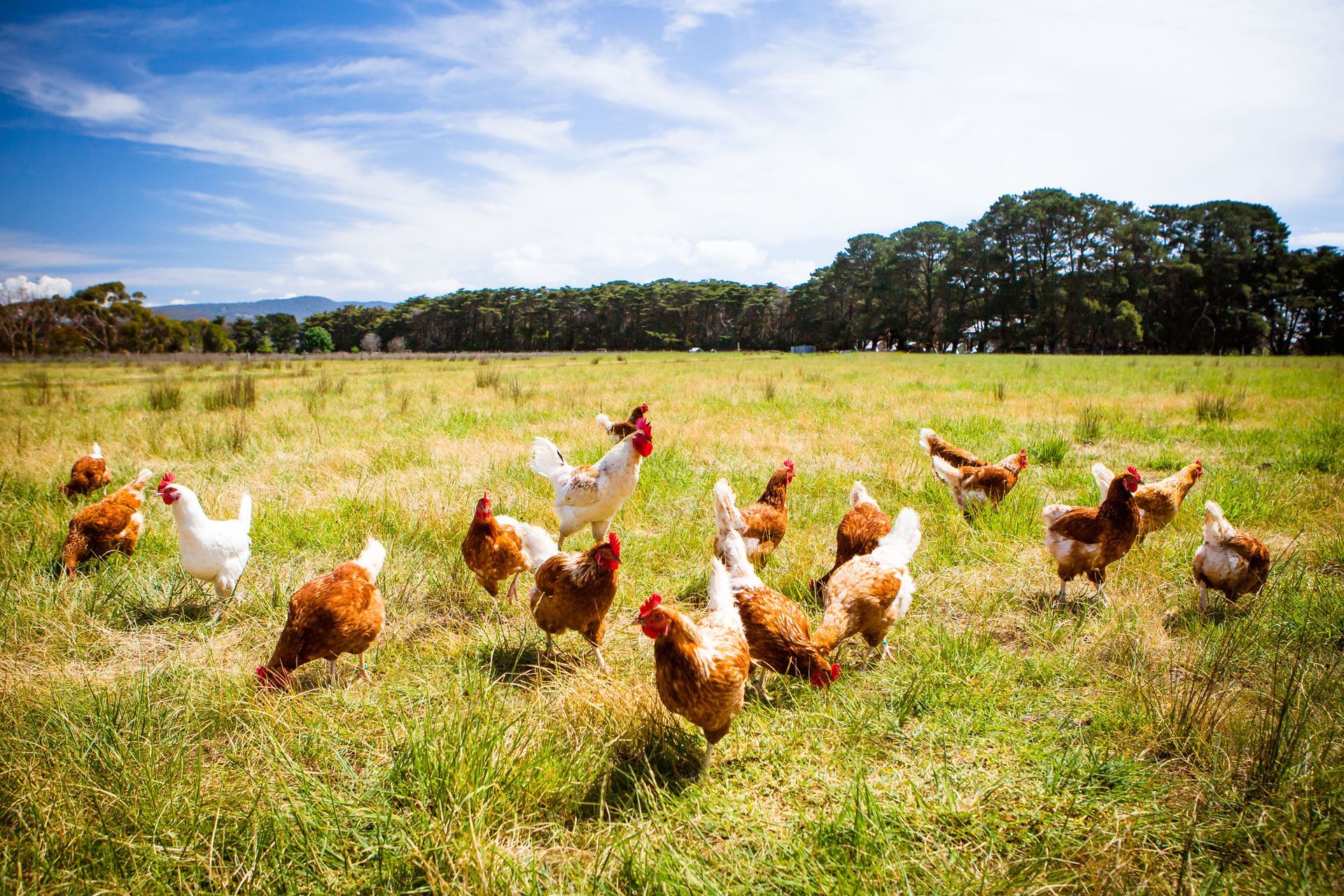
Chickens are intelligent animals with natural behaviors such as pecking, scratching, and foraging. High-quality feed supports these instincts by offering a balanced diet that keeps birds engaged and satisfied. When chickens lack proper nutrition, they may exhibit negative behaviors such as feather pecking or aggression.
Nutrition also influences mental and social behaviors in chickens. Feed containing specific amino acids and micronutrients supports neurotransmitter production, which helps regulate mood and reduces anxiety. Well-nourished chickens are more likely to exhibit cooperative flock behavior, establishing stable social hierarchies and reducing stress-induced injuries.
7. Incorporate Variety for Optimal Results
While high-quality animal feed forms the core of a chicken’s diet, supplementing it with natural foraging opportunities can enhance nutrition and enrichment. Access to fresh greens, grains, and insects allows chickens to satisfy natural instincts while receiving additional nutrients. This combination of structured feed and supplemental foraging ensures a more rounded diet, leading to healthier, more content birds.
Variety in diet can also prevent deficiencies that may not be fully addressed by feed alone. For instance, certain leafy greens provide extra vitamins, and occasional grains encourage pecking and scratching behaviors that mimic natural foraging. Balancing feed and supplemental options allows chickens to thrive physically and mentally, supporting both growth and long-term health.
Choosing high-quality animal feed is one of the most important decisions a poultry owner can make. From growth and egg production to immunity, digestive health, reproductive success, and overall well-being, the benefits of superior feed are undeniable. Skimping on feed quality may save money upfront, but it often leads to higher costs in healthcare, reduced productivity, and lower flock satisfaction.
According to the U.S. Department of Agriculture, the average farm size was 466 acres in 2024. Farms of this scale highlight the need for efficient and effective feeding practices, making animal feed choices more critical than ever. By investing in high-quality feed, farmers and backyard enthusiasts alike ensure that their chickens lead healthy, productive, and fulfilling lives. Give your chickens the nutrition they deserve with premium animal feed from Old Dominion Hay & Feed. Contact us today!